
Category: News

  • Module 6 Contact Week in Amsterdam:Advancing Research Skills in Border Management

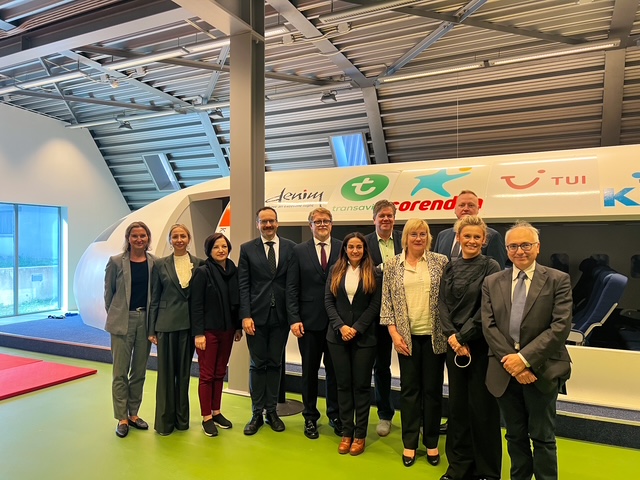
    From September 8th to 12th, the Contact Week of Module 6 of the European Joint Master’s in Strategic Border Management (EJMSBM) took place in Amsterdam, the Netherlands. Hosted by the Netherlands Defence Academy, this module focused on building students’ capabilities in conducting quantitative research within their own organisations.

    Titled “Researching Management Practices in Border Security,” the module serves as an essential introduction to research methodology, specifically through a quantitative lens. Students engaged in sessions designed to equip them with fundamental skills in data collection and analysis, including the design and deployment of questionnaires and the interpretation of results. Key research principles such as validity, reliability, and generalisability were emphasized to ensure a solid foundation for future academic and professional research.

    Beyond methodology, the week also encouraged peer learning, with students drawing on knowledge gained from previous modules and interacting with experts from a border surveillance organisation. This practical application of theory enabled participants to address real-world management challenges in border security using research-based approaches.

    This module marks the first stage in a broader research journey, which will later be expanded with qualitative methods in Module 10, Researching Integrated Practices in Border Management.

    In parallel with the academic activities, the week also included strategic meetings with the Quality Assurance Committee, Programme Board, Board of Examiners, and the Governing Board. These sessions were focused on ongoing efforts to enhance the overall quality and delivery of the EJMSBM programme.

    For more pictures, please visit Photo Gallery.

  • Module 5 on Innovation and Technology in Border Security Held in Narva, Estonia

    Module 5 on Innovation and Technology in Border Security Held in Narva, Estonia

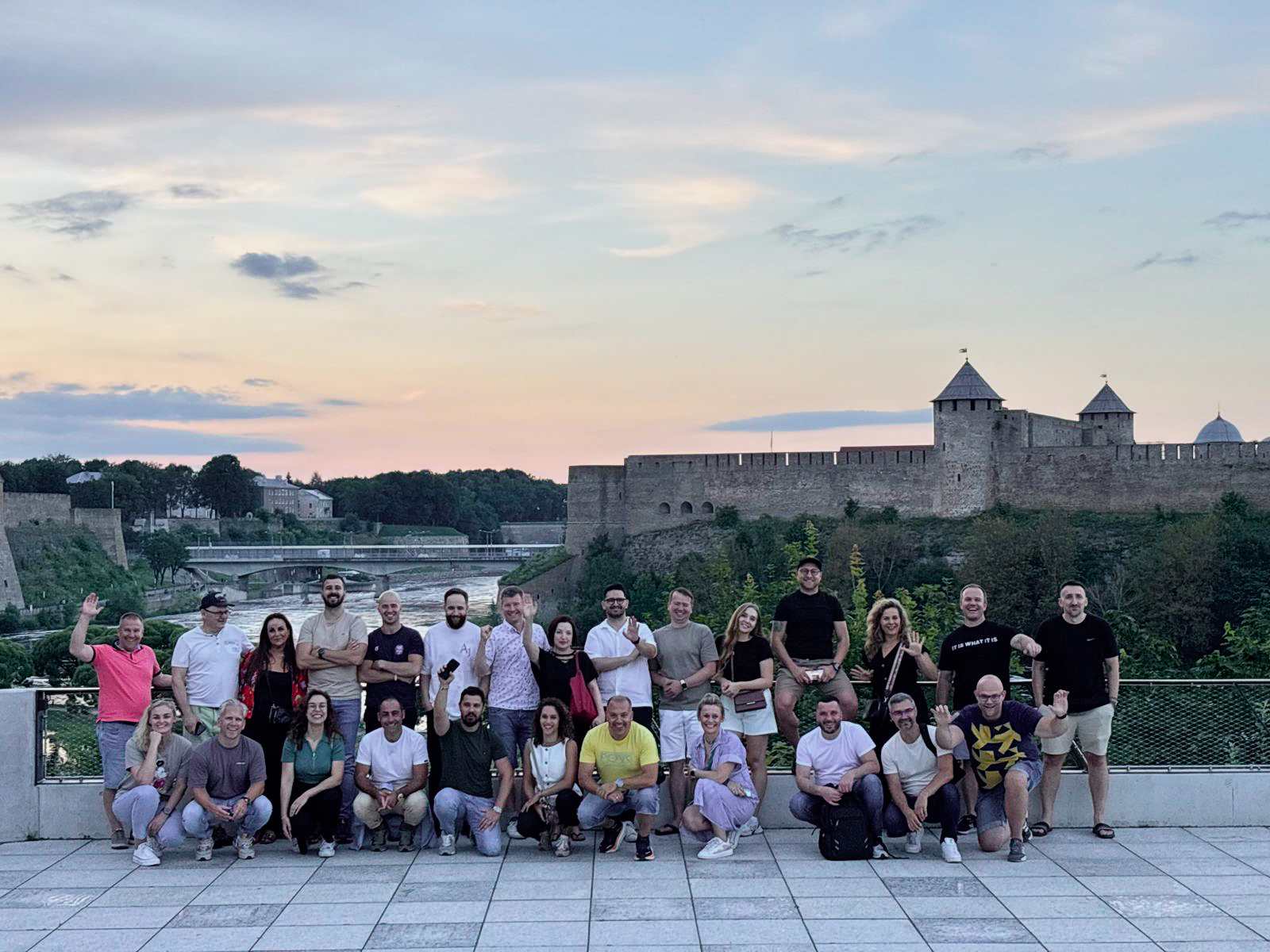
    From August 4th to 8th, Module 5 of the European Joint Master’s in Strategic Border Management was held in Narva, Estonia. The module, Innovation and Technology in Border Security, brought together participants from across Europe to explore the strategic management of technological solutions in border control, with a strong focus on Integrated Border Management (IBM).

    The aim of this intensive week was to enable students to critically evaluate emerging technological trends in border security, assessing their feasibility in terms of effectiveness, strategic compatibility, applicability, and cost-efficiency. The module also promoted innovative thinking and practical approaches to solving contemporary border management challenges.

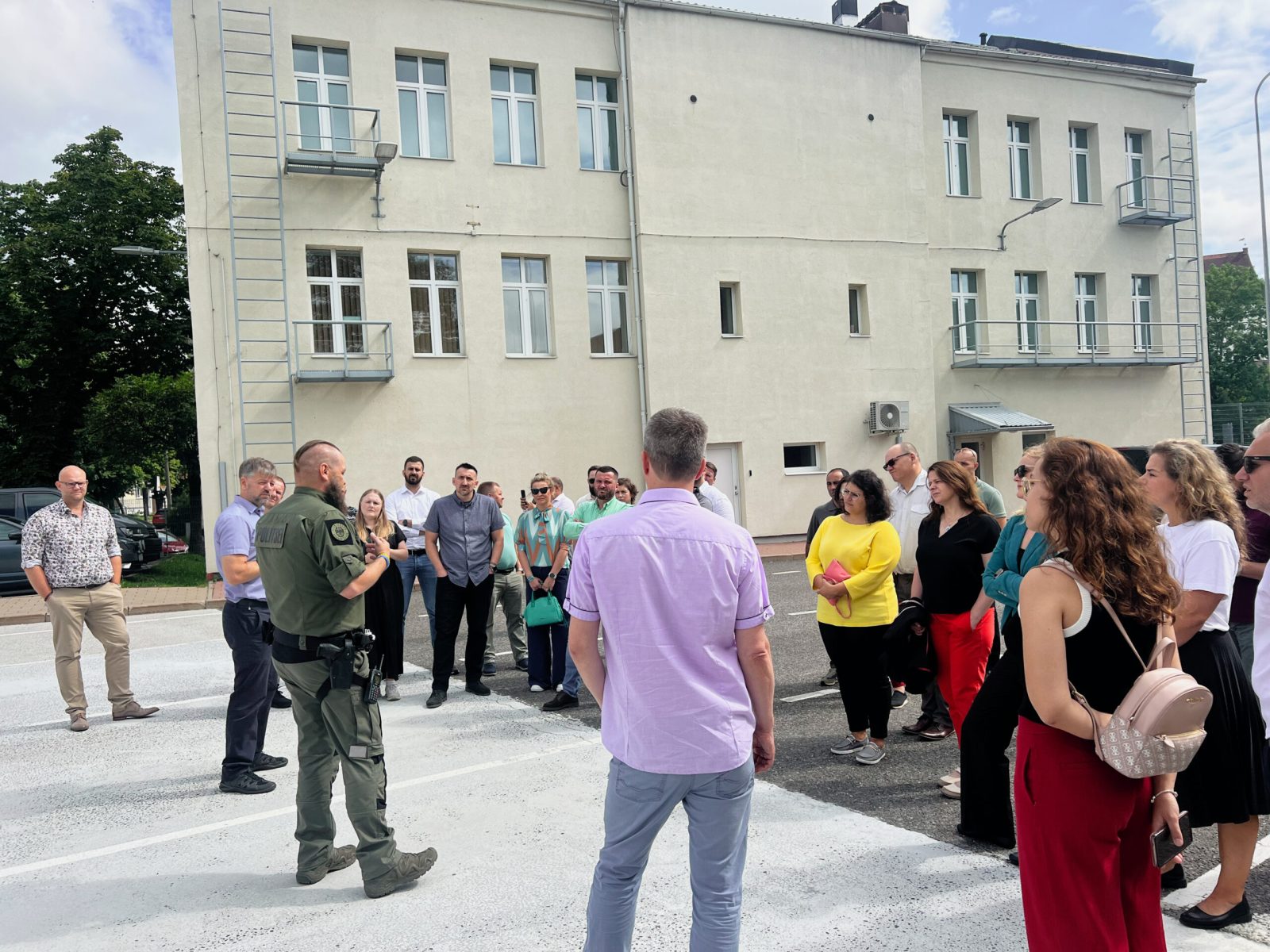
    A key highlight of the week was a field visit to the Estonian Police and Border Guard Board’s Narva Border Crossing Point (BCP). This visit gave students valuable insight into real-world applications of border security technologies and operational procedures at one of the most strategically significant border points in the region.

    The teaching team featured experts from the Estonian Academy of Security Sciences, Mykolas Romeris University (MRU), the University of Tartu, and practitioners from the Estonian Police and Border Guard Board as well as the Estonian Tax and Customs Board. Their combined academic and operational expertise enriched the module with both theoretical knowledge and practical experience.

    Using an interactive, student-centred, and competency-based approach, the module integrated students’ previous professional experiences with new learning in the field of technology and innovation. Emphasis was placed on the European and, where appropriate, national legal frameworks and fundamental rights, ensuring that any technological solutions discussed are aligned with applicable legal standards.

    This module built upon the foundation established by previous modules—Strategy, Planning and Evaluation in Border Guarding, Fundamental Rights and Ethics in European Border Security Management, and Leadership and Organisational Development in Border Management. It also serves as a solid knowledge base for upcoming modules, such as Researching Management Practices in Border Security and Cooperation in Strategic Border Management.

    By the end of the session in Narva, participants had not only strengthened their understanding of technology’s role in border security but also enhanced their ability to make informed, strategic decisions on its implementation in the context of modern, rights-based border management.

    Module 5, Narva

    Module 5, Narva
    Picture 1 of 17

  • MRU Begins First Module of EU Joint Master’s in Strategic Border Management

    MRU Begins First Module of EU Joint Master’s in Strategic Border Management

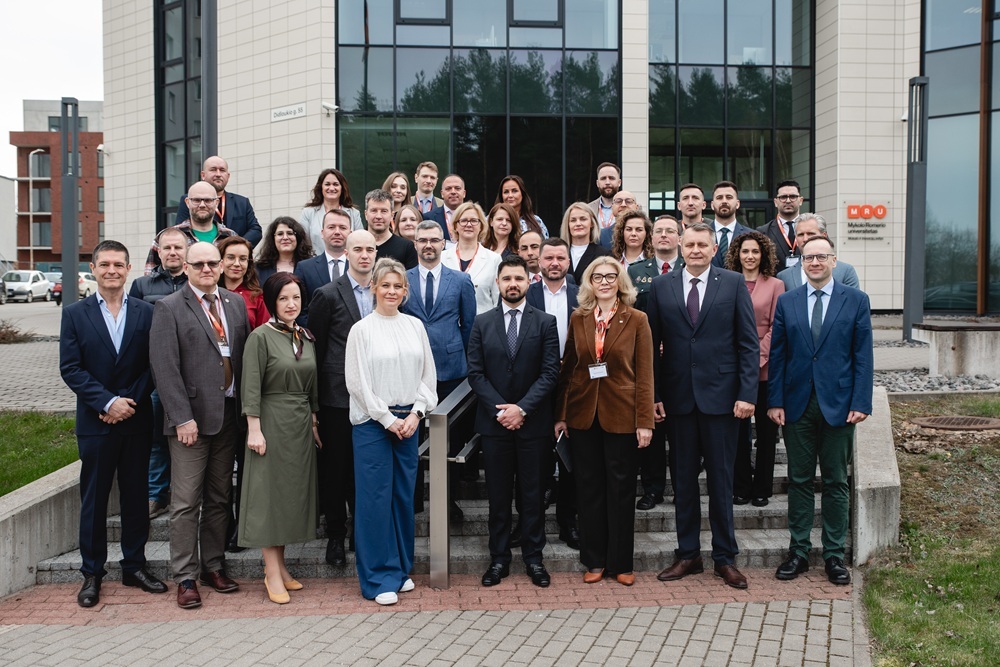
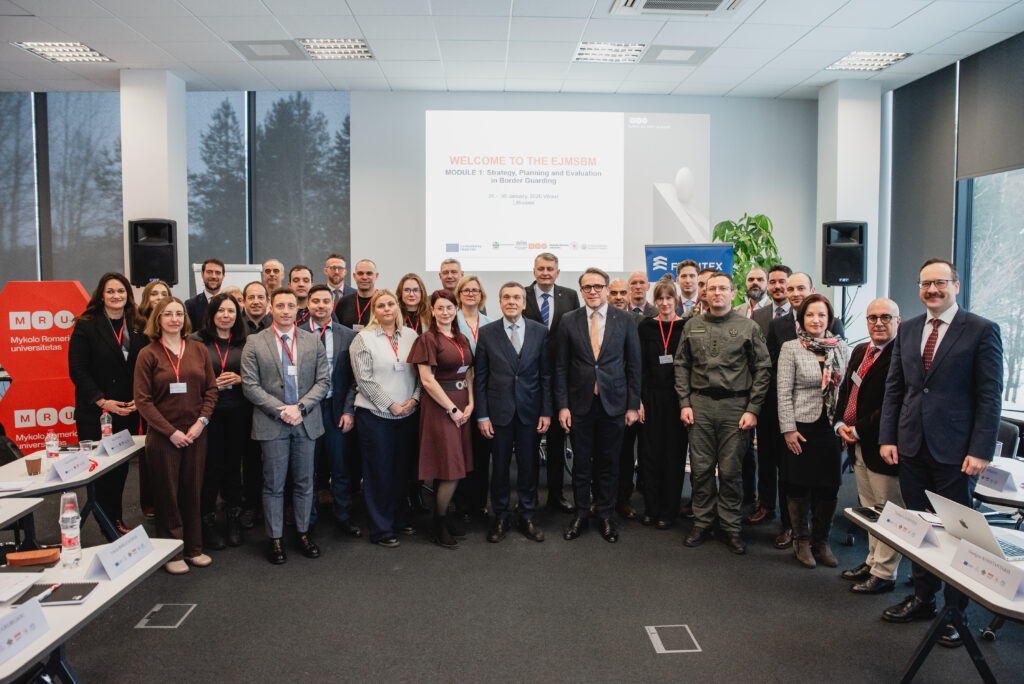
    On April 14, 2025, Mykolas Romeris University (MRU) officially started the European Joint Master’s in Strategic Border Management (EJMSBM), a new EU-funded academic programme developed in cooperation with Frontex, the European Border and Coast Guard Agency. The programme is designed to train mid- and senior-level border security officers from the EU and Schengen Associated Countries, aiming to enhance leadership, strategic planning, and cross-border cooperation.

    The EJMSBM combines academic knowledge, practical training, and international mobility, focusing on leadership, value-based decision-making, and readiness for international operations. It is supported by a consortium of universities and institutions, including the Netherlands Defence Academy, University of Salamanca, Riga Technical University, and the Estonian Academy of Security Sciences, with additional contributions from experts across Europe.

    During the launch event, MRU Rector Prof. Dr. Inga Žalėnienė emphasized the programme’s strategic importance for European security and unity, calling it “a strategic investment in a safer Europe.” Dr. Marta Biernath from Frontex highlighted the role of harmonized, high-standard training in improving joint operational effectiveness.

    The Vice Minister of the Interior, Gintaras Aliksandravičius, underscored the program’s relevance amid modern threats such as irregular migration and cybersecurity risks, affirming Lithuania’s commitment to leadership in border security training.

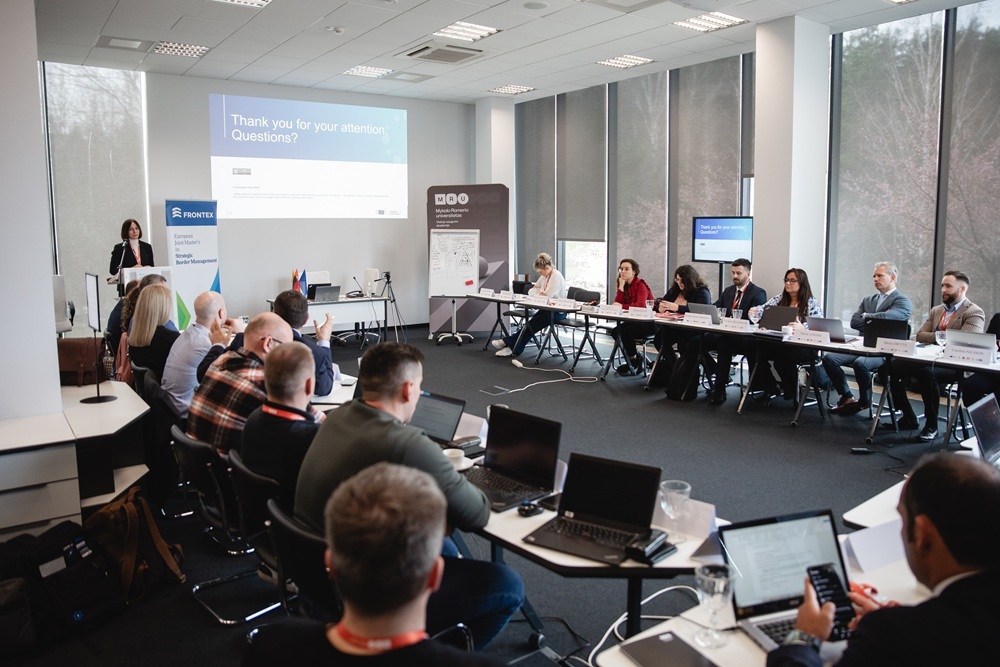
    The launch also marked the beginning of the first study module, “Strategy, Planning and Evaluation in Border Security,” which includes classroom sessions, field visits to border crossing points with Belarus, and practical workshops. The module is attended by 27 officers from EU and Schengen countries and is led by an international team of instructors.

    Deputy Commander of the State Border Guard Service, Saulius Nekraševičius, welcomed the opportunity to host the module in Lithuania, highlighting its contribution to trust-building and practical training for real-world border security challenges.

    By the end of 2028, the EJMSBM programme aims to train up to 100 high-level border security officers, one from each EU and Schengen Associated Country.

    Full articles about the Opening Ceremony can be found in MRU webpage and BNS news section.

    For more photos of the Contact Week please visit Photo gallery.

    Module 1 – Contact Week

    Image 1 of 7