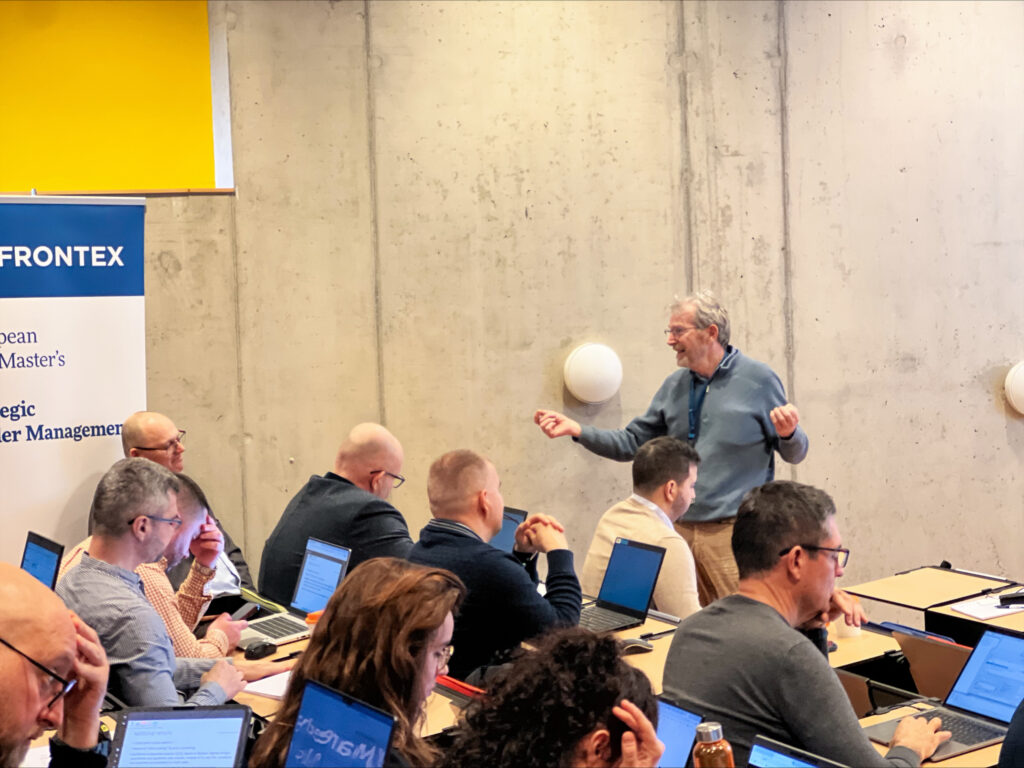

As part of the European Joint Master in Strategic Border Management (EJMSBM), students completed Module 10: Researching Integrated Practices in Border Management from February 16 to 27, 2026, in the Netherlands. This final module of the programme focused on strengthening students’ ability to conduct in-depth case study research and critically evaluate real-world border management practices.
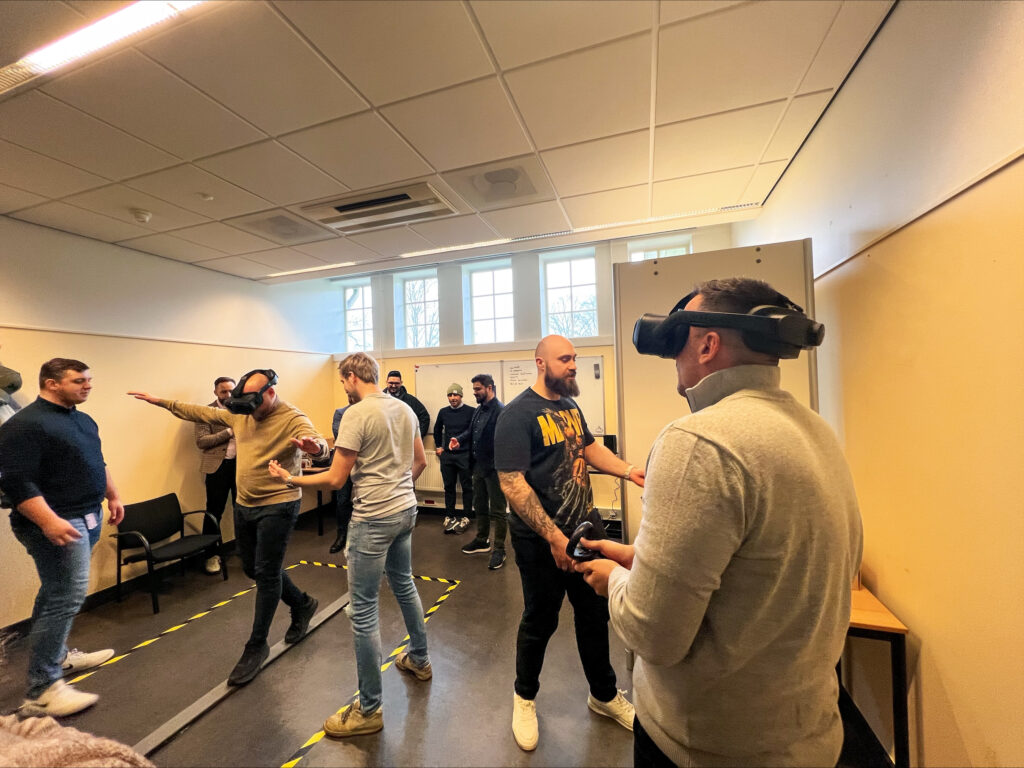
The two-week programme combined interactive lectures, workshops, and applied research activities, with a strong emphasis on qualitative research methodologies and scientific writing. Students explored key concepts such as epistemological approaches, case study design, and data collection techniques, further building on the quantitative research skills developed in earlier modules.
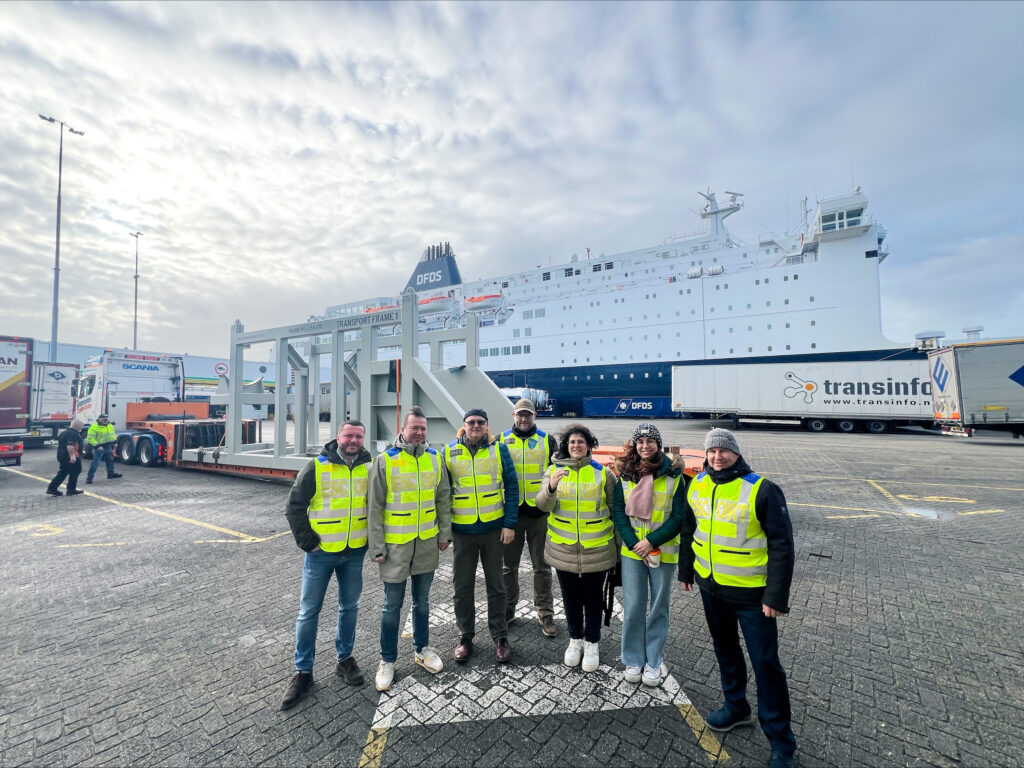
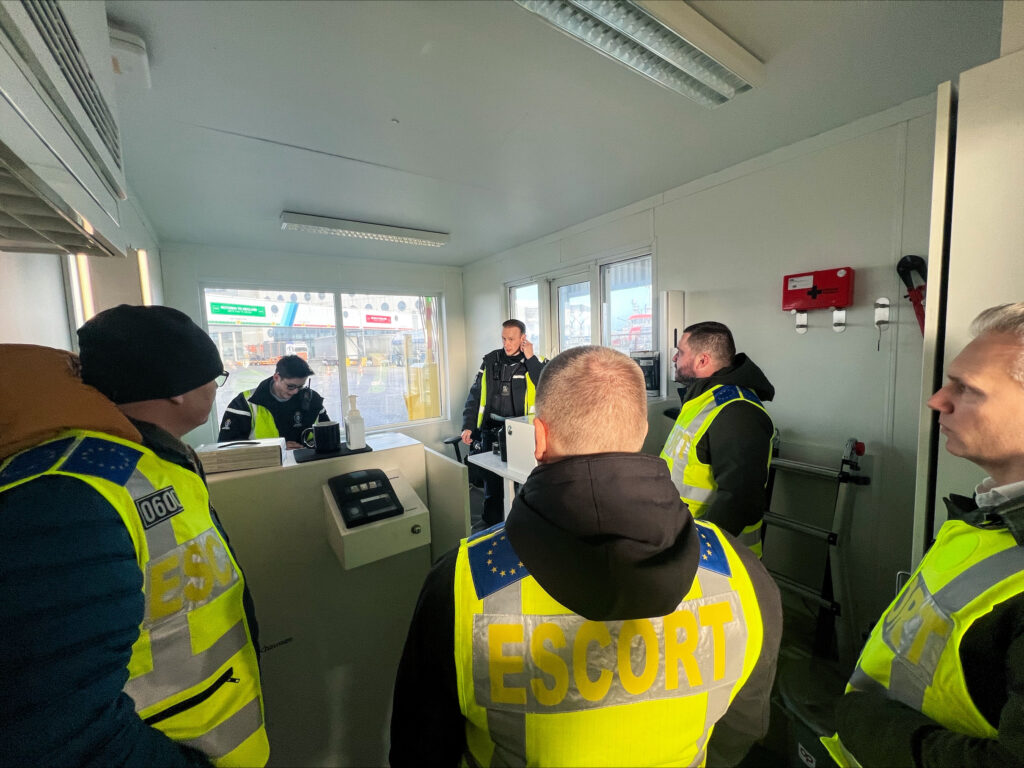
A central component of the module was a structured research visit to national border management institutions, providing students with valuable first-hand insight into operational environments. Field visits included the OTC Apeldoorn (Education and Training Centre), the Port of IJmuiden, and participation in an Expert Panel/Forum in Breda. These visits enabled students to observe border control operations, training systems, and inter-agency cooperation, while also engaging directly with practitioners and experts in the field.
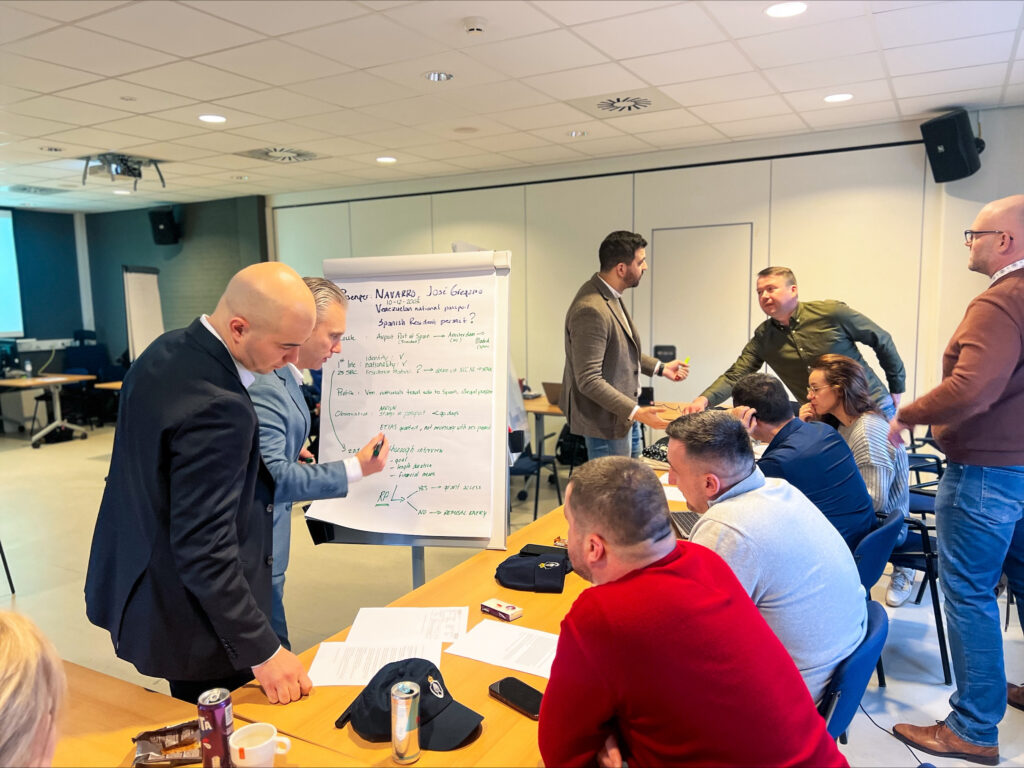
Working in diverse international groups, students conducted case study research based on their observations and collected qualitative data. They presented their preliminary findings to peers and experts, receiving constructive feedback to further develop their analysis and research approach. This process enhanced their communication, presentation, and critical thinking skills.
Throughout the module, students integrated knowledge from across the programme, including leadership, planning, innovation, and human rights, applying these perspectives to complex organisational challenges. The module also served as a bridge to the final dissertation, equipping students with the tools to design and conduct independent research.
By the end of Module 10, students were able to apply qualitative research methods, conduct comprehensive case study analysis, and produce structured research reports. This capstone module brought together academic knowledge and practical experience, preparing participants to contribute to the continuous improvement of border management practices.
For more pictures, please visit Photo Gallery.